
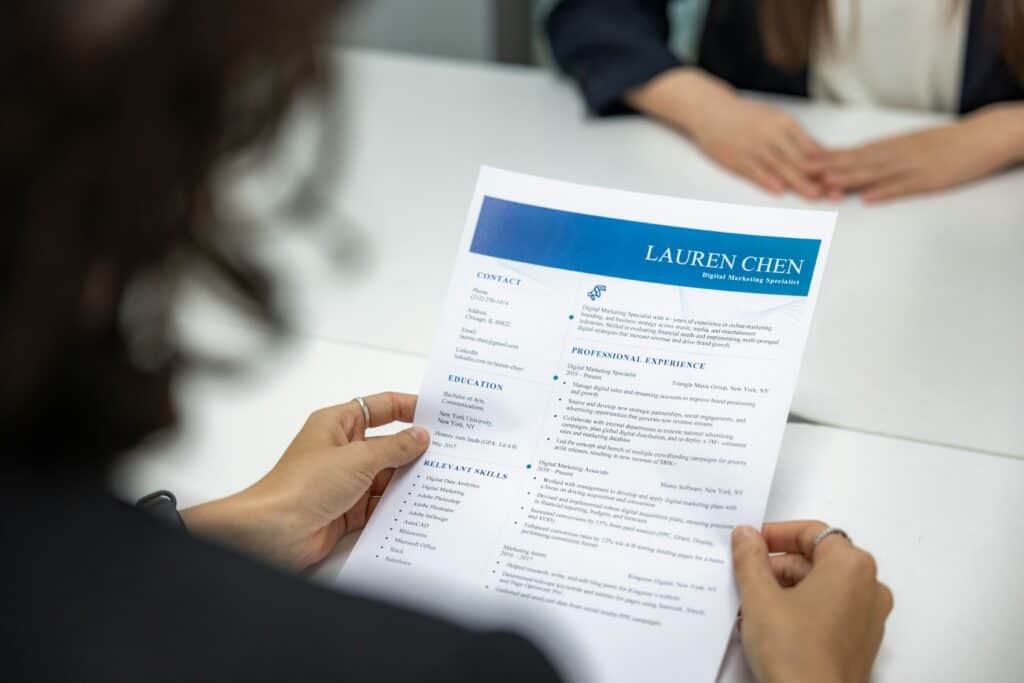
CV: The bastion of the job search, the document that opens the doors, but is it still relevant?
You see lots of missives on the death of the CV, turning experience into ever fancier documents, slides, decks etc etc. The answer; your CV is still extremely relevant and spending time on it is one of the most important things you will do in prepping for your job search.
How to think about your CV.
Format:
Your CV should first of all include all the necessary core information (see below for more details) followed by your experience (in chronological order) with the most focus on your most recent job, tapering off towards your earlier career. Your latest job is the most relevant to your next role, so put the most detail into that.
Length:
I’m a firm believer that all relevant experience should be on the document, meaning the traditional two-pager isn’t always achievable. However, if you taper the amount of detail as you get further back in your career then you will genuinely keep your CV to a sensible length.
Core information:
The basics – name, contact details (you’ll be surprised in the digital world how many people leave off a contact number), relevant educational stages (professional qualifications etc.) and a list of relevant IT systems used. After your experience, be sure to include a section on your interests - think about these and make them thoughtful.
Added extras – a summary (one sentence or a couple of bullet points, max) on your key skills gained during your career. These could be a brief mix of technical and softer skills. This shouldn’t replace specific job experience, but be more of a brief overview.
The main body: the job experience
In this section, it is important to think about your experience through a particular prism. What is your next employer looking for? A good analogy to use is; your CV is an answer to the questions set by the job description. The employer will have spent time putting together a job description - rightly or wrongly both the line manager and any third parties (internal talent teams, recruitment agencies etc.) will use this to judge you against the competition. The more your CV positively answers the job description, the more likely you are to get an interview.
Now ideally you would have the time to tweak your CV for every single application you make, but we are all aware that time is short so having a more focused generic CV is important. How do you achieve this?
- Keywords – each job you are trying to obtain will have core keywords no matter which business it is with. These tend to be in the main “responsibilities” section of the job description. Use them in your CV where possible - it sounds like painting by numbers but remember not everyone that sees your CV will be an expert in your field. Some will be looking at your type of experience for the first time, so make it obvious!
- Responsibilities Vs Achievements – having read the first point, you may feel that a list of responsibilities is enough to get that interview. It isn’t. The responsibilities section will give the employer the confidence you can technically do the job. However, the achievements section will then give you the opportunity to expand on how you have used your skills to go above and beyond, thus making you stand out from other applicants.
In summary:
- Responsibilities: short bullet points mirroring job description focus.
- Achievements: longer bullet points expanding on your relevant skills.
Conclusion
Your CV is a marketing tool to enable you to meet the business you would like to work for. This means you have to objectively look at in this light. Putting yourself in the shoes of potential hiring managers will focus the mind on skills that stand out, not those that are too specific to your current or most recent role.
Above all else, enjoy the process, engage with it and ultimately be proud of what you have achieved to this point.