

SRM: The First Decade

celebrating 10 years of SRM

There is a particular kind of madness that grips people when they decide to leave perfectly good salaries behind and start something from scratch.

It might include a good helping of self-confidence, a light sprinkling of bravado, and a detailed business plan that doesn't survive initial contact with reality. In the case of Andrew Setchell, Stewart Robertson and Rory MacSween, who between them comprise the ‘S’, the ‘R’, and the ‘M’, of SRM - it also entailed the ability to respond rapidly to an unrelenting decade of events, and emerge smiling at the other end.

After 10 years in business, SRM Recruitment has grown from three men and an idea into one of London's most respected specialist recruitment consultancies - placing senior finance, tax, legal and M&A insurance professionals across the UK and internationally, with offices in London, Guildford and Welwyn Garden City, and a team of over 20 specialised professionals.

Easter 2015. Over the top.

The founding story began, as many good ones do, with a question that needed answering. Andrew Setchell had spent four years as an accountant at PWC before moving into recruitment in 1996, eventually running large teams at Michael Page and Robert Walters. By Easter 2015, he was considering the next decade, and wondering ‘why’? Why had the industry where he’d worked for twenty years traded genuine consultancy for the kind of relentless, funnel-driven, phone-bashing culture that made good recruiters miserable and clients feel like they were being processed rather than helped?

"I always wanted to do my own thing, but I'd never do it by myself," Andrew says. "I needed like-minded people." He found two.

Rory MacSween had come to recruitment via a rather more scenic route; the British Army, then Michael Page and Robert Walters, before carving out a niche in the then-nascent world of M&A insurance. Stewart Robertson, a Modern History graduate from Royal Holloway who had also come through the big corporate recruitment machine, had arrived at similar conclusions independently. "We were all having the same conversations," says Rory. "It felt very transactional, like you were turning a wheel. Hard to put your stamp on something."

What gave them the final push? A developing conviction that there was a ‘better way’ - borne of watching floors empty during the financial crisis, observing management endlessly meddling, and noticing the business become, as Andrew puts it, "all about volumes". "The big corporate firms believed the brand was bigger than the person," says Andrew. "But for a medium-sized player, it's far more relationship-driven.” The new way had to be different. More consulting, less funnel. More relationship, less brand.

They handed in their notices in March 2016, collected their bonuses, and launched SRM just as the country was about to vote on Brexit. "We thought: Conservative majority, remain wins, markets go boom, we catch the wave," recalls Stewart, with a rueful laugh. "Yeah."

The First Year: Hard Lessons and Good Hires

The early days had a certain chaotic energy. For a while Stewart worked from his back garden shed. Rory and Andrew sat at a shared WeWork at Fox Court, where the ping pong tables and complimentary evening beer represented either a wonderful startup ecosystem or a terrible productivity environment, depending on the time of day.

The business plan — built partly on the assumption that blue-chip client accounts would follow them from their previous employer — "was out the window within twelve months." More pressingly, litigation arrived in the form of legal letters from past employers, designed, as Andrew notes, "to take up oxygen." It worked, for a while, but was resolved. "It did take a toll," he says. "But it also tempered the risk. You learn a lot about people. And about each other.”

But the wins came. After ten or eleven months of grind, they had back-to-back strong months. The model was working. Rob McKay and Dave Kingston, two early hires who took a genuine leap of faith, are name-checked with real warmth; "they came when we were literally nothing, and remain central figures in the business today.”

The Decade in Brief: Brexit, Covid, and the M&A Freeze

SRM has been tested by just about everything the last decade could throw at it. Brexit, which was timed with spectacular bad luck to coincide with their launch, initially caused a sharp intake of breath before proving broadly manageable. Covid was different.

"Bar one client, all live mandates were cancelled or put on hold indefinitely," says Stewart. "Overnight." That single remaining client — who happened to complete an acquisition at the exact moment lockdown was announced and needed an entire finance function recruited — thankfully kept things ticking over. Then, almost as suddenly as it had stopped, the market came roaring back. 2021 and 2022 were "by far our most successful years." Brexit had thinned the pool of European talent, demand was surging, and SRM leaned hard into genuine consultancy; helping clients navigate everything from sponsorship licences to employment law.

Then came 2023. The M&A market, which had been running hot, cooled sharply as interest rates rose and deal flow dried up. "Summer 2023 was still pretty good," says Andrew. "Then the kids went back in September and it wasn't the same September as the year before."

They navigated it, as they have navigated everything, by staying lean, diversified — and doing what smaller, more agile ‘boutique’ firms can do better than large ones: pivot fast — "it's rare that every part of our business is pulling back at exactly the same time, and that is a strength not a weakness.”

What Makes SRM Different: ‘Relationship Led. Data Driven.’

Ask the founders what sets SRM apart and you get a consistent answer: they recruit experienced people, give them autonomy, and get out of the way. No KPIs. No call-rate targets. No boiler-room atmosphere. Flexible working was already the norm at SRM, before Covid ever arrived. "The least experienced person in our business has seven years of recruitment experience," says Andrew, "we gladly recruit people with grey hair. With no hair…" he adds with a knowing smile.

The approach — which they describe as closer to search than traditional contingent recruitment — is built on a simple observation: the best outcomes come from relationships, not volume. "You just need really good relationships to get the same return without the flannel," says Andrew. "The big firms didn't work that out because they thought the brand was bigger than the person."

The Next Ten Years

"Everything you hear is how quickly AI is going to change our world", says Stewart, sanguine but clear-eyed about the future. The consensus among the founders is that AI will help them work faster, but that the fundamental value of what they do — human judgment, market intelligence, discretion, the ability to sit over lunch and map out someone's career — is not something an algorithm can replicate. "I had lunch with a client last week," says Rory. "We drew up a list of businesses he was interested in. By 5pm I had him an interview at one of them. I can't envisage a world where AI does that. Human interaction can’t be overrated.”

Andrew has a bolder prediction: as AI takes over junior professional work and graduate hiring shrinks at the big firms, newly qualified accountants and lawyers will become rarer and therefore more valuable. "Supply goes down, price goes up.” As for what comes next for SRM itself: growth, yes. New sectors, possibly. Selling? "We've never seriously sat down and discussed it," says Andrew, adding, “we want to create a space for every employee to earn six figures.”

And the most important thing about the next decade? "If we have a business in ten years that still holds the values we set out with," says Rory, "I'd be incredibly proud of that.”
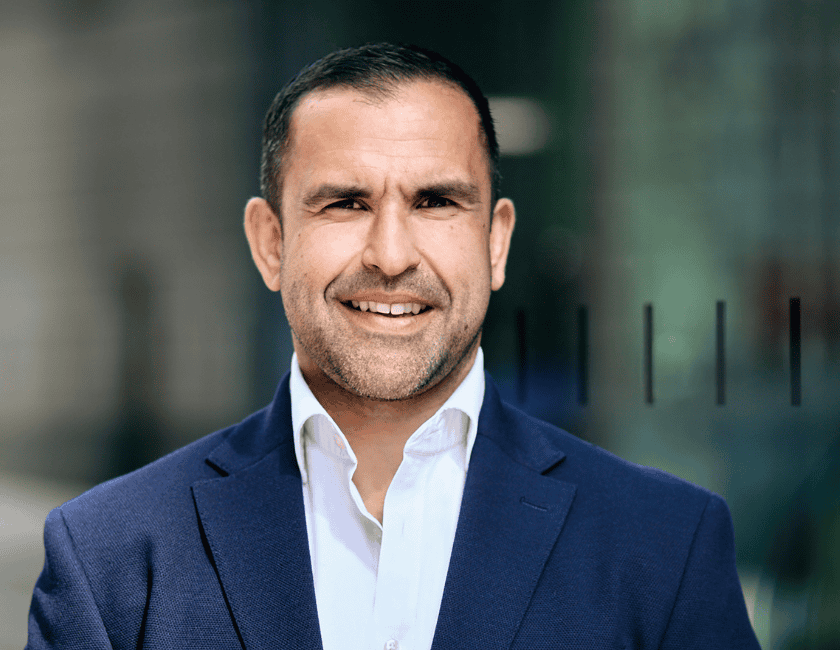
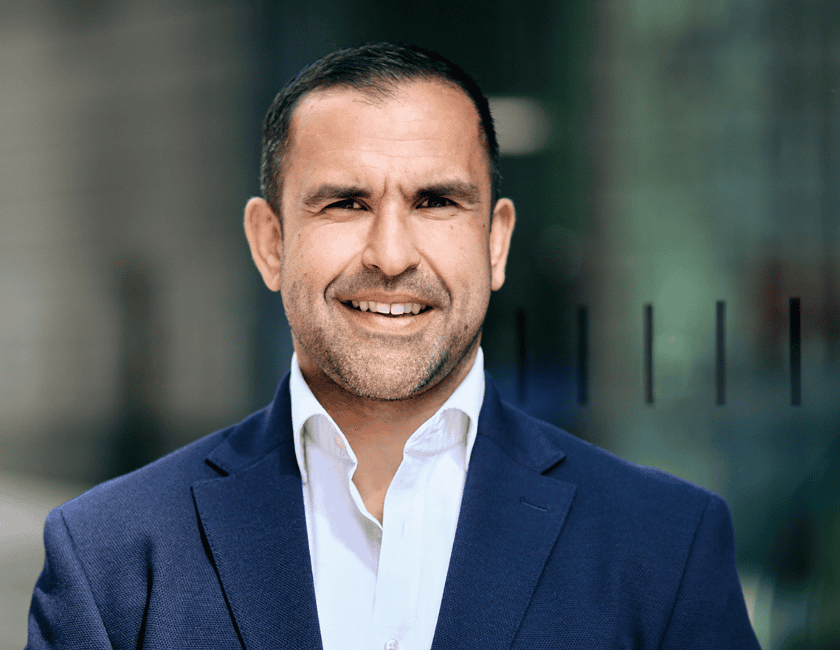
Joe Bennetts joins SRM’s Finance Recruitment team in Guildford

Joe-Bennetts
Joe-Bennetts

We’re pleased to welcome Joe Bennetts as a Business Director to SRM Recruitment’s Guildford finance recruitment team. Joe tells us a bit about himself, the roles he’ll be working on, and why hiring managers and job seekers like working with him.

Tell us a bit about yourself? 

A proud Devon boy through and through, I’ve been in recruitment since I left university and I realised I was about 2 foot too short to be a rugby player! I had some friends who had gone into recruitment and thought I’d give it a go, and a few years later I’m still giving it a go so I must be doing something right. Outside of work, when I am not chasing 2 kids around, you can find me still pretending I can play rugby (although the body is slowly giving up on me!) playing golf or more recently, following the trend of playing padel.

Tell us about your career to date?

I started in recruitment back in 2011 after finishing university. I didn’t really know what recruitment was to be honest but the idea of building relationships and not being sat behind a desk all day really appealed to me. I joined a large FTSE 250 where I had some amazing training and guidance and went through the ranks pretty quickly. After relocating to the South East back in 2016, I’ve since focused on recruiting finance vacancies across the area. I love the variety of people and businesses I get to work with from P.E carve outs to leading technology companies meaning no two days are the same – it really does fascinate me!

What was it that appealed to you about working for SRM? 

My paths had crossed inadvertently with Stewart Robertson and a few of the other people in the team and I had heard amazing things about them which were only reinforced when I met them for a coffee. Stewart, Andrew and Rory share the same fundamentals as I do which is work hard, deliver a good service and to make the recruitment process as seamless as process for everyone.

Their views and the way they see recruitment really aligned with me and it didn’t take much convincing from them for me to join!

Tell us about your remit at SRM? 

Working closely with Sam, George and David in our Guildford office, my remit is to offer a top quality, honest, relationship driven approach to recruitment in the area, focusing predominantly on the qualified finance space.

What do hiring managers and job seekers like about working with you? 

You’d have to ask them! I do try to be as honest as possible no matter how difficult that conversation can be sometimes though and equally, I won’t promise anything I can’t deliver on.

However, given the length of time I have spent operating in the market, I like to think I can offer a huge amount of market insight, from salaries to competitor analysis. For me, it isn’t about making a quick placement but how I can go about building relationships that prosper for years to come.

What’s your top piece of advice for hiring managers right now? 

Act quickly and partner with SRM! The competition for top tier talent in the market is still as competitive as ever. Have you done your internal due diligence? Has the role been signed off, has the interview process been ironed out, do they need to do a case study, testing etc.? Hiring processes are a two-way street and making it as seamless as possible is going to be a great sales tool if you’re expecting to hire the best talent for your role – especially if they have multiple process on the go.

What’s your top piece of advice for candidates right now? 

Always keep your CV up-to-date and never stop expanding your network – in this market it is always best to be on the front foot. Keep the CV updated as you go and spend some time networking and keeping in touch with people whilst keeping your personal brand up-to-date and relevant. You never know when you going to need it.

get in touch

Need help to hire or find your next finance role in the South East? Contact Joe on joebennetts@srmrecruitment.com or call +44 7879 497044. You can also connect with Joe on LinkedIn here

George Weston joins SRM’s Guildford Finance Recruitment team

George Weston Business Director

We’re delighted to welcome George Weston as a Business Director to SRM Recruitment’s Guildford finance recruitment team. George tells us a bit about himself, the roles he’ll be working on, and why hiring managers and job seekers like working with him.

Tell us a bit about yourself?

I'm George Weston, a seasoned senior finance recruitment specialist based in Fareham with over 20 years in executive search, focusing on CFO, FD, and Senior Finance placements. Outside of work, I enjoy sailing, running and heading into the gym, alongside spending time in the kitchen. As my kids are older now, I hope to do a little more travelling with a long list of destinations to work through.

Tell us about your career to date?

I spent my earlier recruitment career in London, returning to the South Coast and then spending just over 20 years at CMA Financial Recruitment, rising to Associate Director where I led retained search for senior finance roles and drove business development across the Southern Home Counties. 

What prompted your move to SRM?

After two decades at CMA, I sought a fresh challenge to leverage my expertise in a dynamic, growing firm. SRM's Guildford office offered the perfect opportunity to expand my impact in a collaborative environment while aligning with my focus on regional finance talent.

What was it that appealed to you about working for SRM?

SRM's reputation for specialist recruitment, client-centric approach, and growth in the South East stood out. I was drawn to the supportive culture, emphasis on relationships, and the chance to contribute to a team that's scaling fast.

Tell us about your remit at SRM?

As Business Director in the Guildford office, my remit covers leading CFO/FD searches and Senior Finance appointments across the Southern Home Counties, client relationship management, market analysis, and business development via targeted outreach with both industry and the Advisory/PE community.

What do hiring managers and job seekers like about working with you?

Hiring managers value my market insight, discreet handling of sensitive searches, and ability to match candidates to business needs quickly.

Candidates appreciate my honest advice, negotiation support, and long-term career guidance that goes beyond placements.

What’s your top piece of advice for hiring managers right now?

Prioritise cultural fit alongside technical skills - top finance leaders thrive when aligned with company values. Act fast on retained partners like SRM to access passive talent in this competitive market.

What’s your top piece of advice for candidates right now?

Tailor your CV to showcase quantifiable impacts, like cost savings or growth delivered, and prepare examples of strategic influence. Network proactively on LinkedIn now to stand out before roles go live.

Get in touch

Need help to hire or find your next senior finance role? Contact George on georgeweston@srmrecruitment.com or call +44 7710 756098. You can also connect with George on LinkedIn here

Sam Morgan joins SRM’s Finance Recruitment team in Guildford

Sam Morgan Business Director

We’re delighted to welcome Sam Morgan to SRM Recruitment as a Business Director in our Guildford finance recruitment team. Sam tells us a bit about herself and what prompted her move to SRM. She also shares about the roles she’ll be working on, and her advice for hiring managers and job seekers in the current market.

Tell us a bit about yourself?

I started work in recruitment in 2001 purely by accident! I was registered with an agency who placed me in a role for a maternity cover and when that contract came to an end, we were discussing my options for what was next, when I was told to sell them the desk fan in the corner. The rest is history and I’ve been in recruitment more of my life than I haven’t!

Tell us about your career to date?

In 2001 I started my first recruitment role; it was high volume Business Support and Industrial and in one shift I had 30 temps working. I was even known to go and pick candidates up and drop them to work for a night shift, so I knew my client wouldn’t have anyone let them down. I answered the phone in the office one day and it was a rec-to-rec; I wasn’t even looking for a new role and suddenly I was in process to work for an international market leader. It was a great role where they offered continuous training and clear progression; I remember when I first started I was told I had “big shoes to fill” which felt like a challenge to me… as it turned out, those boots were too small for me. I stayed there for over 8 years and only left to go on maternity leave. I knew in my heart I wouldn’t be going back and instead used it as a perfect time to make a change.

Following my maternity leave, I went on to work for another well-known business for 4 years and then a smaller local agency for almost 11 years which I was made redundant from in early 2025. I took a break and started with SRM in November 2025 and its honestly the best decision I could’ve made.

What prompted your move to SRM?

Redundancy prompted my move to SRM, but I already knew Stewart (Robertson) and Andrew (Setchell); we reconnected after I knew I would be looking for a new role - a coffee and a ‘meet the team’ later, here I am!

What was it that appealed to you about working for SRM?

Expertise and client and candidate focus. It really stood out that everyone is a proven specialist in their market and they really go above and beyond for our clients and candidates. It’s not a ‘one size fits all’ approach and it’s not about hitting KPIs - it’s about delivering a consultative service and maintaining long-term relationships. I’ve worked in businesses whereby you can only work certain geographical locations so if a client moves out of your remit you have to pass them on. A relationship is with an individual not just company name; its built-on trust and delivering what you say you will. Working for a great brand it so important but clients don’t just engage with me because of the company I work for. I’m fortunate that some of the clients and candidates I work with today are people I have worked with since early on in my career.

Tell us about your remit at SRM?

I manage the temp and perm transactional and qualified Finance market in Surrey and Hampshire; I also look after Business Support. The geographical market I work in is the same as when I first started in 2001 - I have always operated in the same area, so I like to think I know it better than most recruiters.

What do hiring managers and job seekers like about working with you?

Hiring managers often comment on the fact that I get the team fit right - I know exactly the type of person that they are looking for. You can teach someone the skills to do a job, but you can’t teach them to fit in and their work ethic. I really get to know the candidates I’m working with - it’s not just a process of finding them a new role, it’s about knowing where they would fit in and their capabilities. I have candidates who work exclusively with me who have said they don’t need anyone else to represent them as I have always found them a role and have never let them down. Honesty is also key with hiring managers and job seekers; I always put myself in their shoes and treat them how I would want to be treated. I have recently placed roles with two clients who used to be my candidates.

What’s your top piece of advice for hiring managers right now?

My top piece of advice for hiring managers is to build a relationship with a recruiter who understands your team and the organisation. A CV doesn’t bring a candidate to life, but a good recruiter can - they can answer questions a CV doesn’t. Speed is also key, if you don’t keep a process moving, it will lose momentum and you risk losing candidates.

What’s your top piece of advice for candidates right now?

Triple check your CV! Ensure your CV is up-to-date, make sure it doesn’t contain any errors as attention to detail is key - there is no excuse for spelling mistakes or grammatical errors when you can use tools online to double check it. Your CV is your first impression on a recruiter and a client; they see that before they see you. It’s so important that your CV sells you initially as that will be what opens the door for you. Once a recruiter has made contact you can then work on your CV together before it goes to a client. You want to stand out from other candidates, so don’t blend in! My other piece of advice would be to contact me if we are not already connected - I am currently working on some great opportunities and it’s all about timing. I may not have a suitable role for you now but the market changes all the time.

Get in touch

Need help to hire or find your next finance role? Contact Sam on sammorgan@srmrecruitment.com or call +44 7983 277162. You can also connect with Sam on LinkedIn here

Finance success stories: Finance Shared-Service Centre

finance case study
finance case study

Dedication, efficiency, professionalism and results that exceed expectations.

The challenge:

A prominent global consultancy firm embarked on a major transformation of its finance function. With finance professionals operating across 11 countries, the organisation sought to improve operational efficiency and streamline processes by establishing a Finance Shared Services Centre (FSSC) in the Southwest of the UK.

Given the geographical spread of the business, there were significant challenges related to time zone differences and varying levels of language proficiency. The immediate priority was to establish the FSSC and bring it into operation within four months. This ambitious timeline included the recruitment of 48 finance specialists across key functions; payables, receivables, financial accounting, FP&A, data and systems & transformation.

The solution:

1. Candidate Pool Creation

We developed a robust and diverse talent pipeline by utilising job boards, social media, referrals, and our internal database. Candidates were pre-qualified against detailed job specifications to ensure alignment with the client’s requirements.

2. SIFTING and screening

Our team conducted thorough CV reviews and pre-screening calls, followed by tailored assessments where appropriate. This process enabled us to identify high-calibre candidates and present a refined shortlist for further consideration.

3. First interviews by SRM

SRM carried out structured first-round interviews to assess cultural fit, communication skills, and role suitability. Detailed feedback was compiled and shared with the client to support informed decision-making.

4. client interview days (on-site)

We organised and managed multiple dedicated interview days at the client’s premises. SRM oversaw all logistics, ensured seamless scheduling, and provided real-time support to both candidates and interviewers. This approach significantly accelerated the interview process and enhanced stakeholder satisfaction.

5. offer management

Once final selections were made, we managed the offer process end-to-end. This included drafting and issuing offers, handling negotiations, and ensuring timely acceptance. Our proactive communication helped reduce offer withdrawals and improved conversion rates.

The results:

  • 48 vacancies filled: All roles successfully filled on time and within budget
  • 100% interview day attendance: Excellent scheduling and candidate commitment
  • 98% offer acceptance rate: Strong candidate engagement and compelling offers
  • Time-to-hire reduced by 45%: Streamlined processes and efficient coordination

What the client has to say:

"I just wanted to sincerely thank you and recognise the incredible work you've done. Successfully recruiting over 40 people in such a short period of time is no small feat - it’s a remarkable achievement that speaks volumes about your dedication, efficiency, and professionalism. Your ability to manage such a high-volume recruitment process while maintaining quality and speed has made a significant impact on our team and the business. You've not only met expectations - you’ve exceeded them.” Head of Financial Operations

Download the Case Study PDF

Need help to hire for your Finance team? 

Contact Danny Savino on +44 (0)7375 409089 or dannysavino@srmrecruitment.com

7 reasons why bringing in an Interim makes sense while you wait for your permanent Finance hire

finance interim
finance interim

Finding the right permanent finance hire in today’s market can take time, and often, the more senior or specialist the role, the longer the search. But what happens in the meantime?

The reality is that finance functions don’t stop. Month-end still needs to happen. Audit prep doesn't wait. Business partners still expect forecasts. And often, the rest of the team is left absorbing the extra work, which is rarely sustainable.

Over the last year, we’ve seen more businesses choosing to bring in professional interims to help bridge the gap. And it’s not just a stopgap; in many cases, interims help to steady the ship, improve processes, and reduce risk, all before a permanent hire is even in place.

Here’s seven reasons why it makes real business sense:

1-Interims get up to speed quickly

Professional interims are used to picking things up fast. Many have worked across multiple industries and ERP systems; SAP, Oracle, Workday, Dynamics, and can adapt quickly to new environments. They don’t need long onboarding periods or hand-holding.

This means you’re not waiting weeks for someone to add value - in most cases, they’re contributing within days.

2-They protect your existing team

It’s tempting to ask others in the team to “just hold things” for a while. But we’ve all seen what that leads to:

  • Deadlines slip
  • Errors creep in
  • Morale takes a hit
  • Top performers get burnt out (or even worse, they leave)

Finance is a function where precision matters. Overloading people, especially during busy periods like year-end or audit season, increases this risk. A professional interim can absorb the pressure, keep standards high, and allow your core team to stay focused.

3-They’re results-focused, not just filling space

Interims know their value is in delivery. Whether it’s producing accurate management accounts, navigating complex reconciliations, leading a finance transformation, or preparing for an audit, they tend to come in with clear deliverables and get the job done.

They’re not there to coast, they’re there to make an impact.

4-They often bring broader expertise than expected

Because of their varied background, many interims come with a wider toolkit than the original brief might require. For example:

  • A Financial Controller who’s also led a systems implementation;
  • A Finance Manager with experience in tax, treasury, and SOX compliance;
  • An FP&A professional who’s built out Power BI dashboards and improved forecasting accuracy.

This extra value often becomes clear once they’re in post and can lead to bigger improvements than expected.

5-They offer real flexibility

If your long-term structure is still evolving or if there’s a question mark around the role, bringing in a permanent hire might feel premature. Interims give you breathing space.

You can adjust their remit as things shift, extend their contract if needed, or, in some cases, offer them the permanent role if it turns out to be the right fit.

6-They bring a fresh pair of eyes

It’s easy to get used to “the way we do things around here.” Interims aren’t tied to legacy thinking or office politics. They can often spot inefficiencies, risks, or opportunities that permanent team members are too close to see.

In finance especially, this objectivity can be invaluable, from tightening controls to improving reporting processes.

7-You only pay for what you use

Interims are typically paid on a day rate, which means:

  • No need to pay for holidays, sick days, or employer benefits;
  • No long-term commitment or buyout clauses;
  • No risk of non-refundable recruitment fees if it doesn’t work out.

It’s a clean, transparent arrangement and a smart way to manage headcount budgets, especially in uncertain conditions.

Final thought

Letting a key finance role sit open for months might feel manageable at first. But over time, it leads to inefficiencies, missed opportunities, and often, the loss of key team members who are picking up the slack.

Bringing in a skilled interim is not just plugging a gap. It’s about protecting your finance function, maintaining standards, and setting your team (and your new permanent hire) up for success.

GET IN TOUCH

If you’re exploring interim finance support or just want to understand what the current market looks like, get in touch with Liz Hawkins on lizhawkins@srmrecruitment.com or call +44(0)7508 956587

Steadying the Ship in Uncertain Waters: Why Interim Finance Talent is Delivering Real Value This Quarter

finance meeting
finance meeting

Finance Hiring Outlook – Q3 2025

As we move through Q3, many finance teams across Herts, Beds, and Bucks are feeling the pinch.

Forecasts are under pressure, resources are tight, and yet, the work doesn’t slow down.

Whether its audit prep, business partnering, or just keeping the month-end engine running, there is still the need for high-quality support - it hasn’t gone away. But what has changed is how teams are accessing it.

What’s going on locally

From where I’m sitting, businesses are juggling a few challenges:

  • Permanent hires are taking longer to get signed off or just aren’t happening
  • Teams are stretched due to unexpected absences or long-term leave
  • Change projects are still on, but there’s fewer resources to support them
  • Core finance functions are often running on a shoestring

It’s no surprise, then, that more companies are turning to interim finance professionals - not as a last-minute band-aid but as a practical, often strategic choice.

Why interim talent works right now

Interims don’t need a lot of hand-holding. They usually show up ready to get stuck in and sort out the things that have been hanging over your head for weeks (or months). No lengthy inductions or corporate handbooks required. Just a clear brief and a laptop, and they’re off.

Here’s the kind of roles I’m placing these days:

  • Interim FDs and FCs to steady the ship and help prep for year-end
  • Qualified interims to cover BAU while permanent recruitment limps along
  • Transactional temps to take the pressure off AP/AR teams
  • Project specialists to push through system upgrades or finance transformations

It might not be flashy, but it gets results - quietly, efficiently, and without the drama.

Thinking ahead? Why now is the perfect time to act

Waiting until the last minute to plug gaps or add support usually means paying a premium, scrambling to find anyone available, or risking important deadlines slipping through the cracks. And let’s be honest, nobody wants to be that team desperately hunting for a miracle hire in November.

Q3 gives you a golden window to be proactive:

  • Secure the right talent before others snap them up - the best interim professionals get booked quickly, especially as year-end nears.
  • Give your new interim the time they need to get properly up to speed - which means smoother handovers, better results, and less firefighting.
  • Reduce burnout and workload stress on your existing team - a little breathing room now prevents bigger headaches later.
  • Keep critical projects on track - whether it’s closing the books, supporting audits, or rolling out system upgrades.

Plus, interim support can be a great way to test out potential permanent hires without a full commitment. It’s flexible, low-risk, and lets you focus on what matters most; hitting your year-end goals without losing sleep.

If you’re thinking “maybe we should get ahead of this,” you’re already on the right track.

Now all that’s left is a quick chat to work out the best approach for your team.

Get in touch with me, Liz Hawkins, on liz.hawkins@srmrecruitment.com or call +44 (0)7508 956587


What does an efficient recruitment process actually look like in today’s finance market?

job interview hand shake

We’ve all seen it: job advertisements are down, application numbers are up, and the best finance professionals are getting snapped up in a matter of days.

In a market like this, having a tight recruitment process isn’t just a nice-to-have, it’s absolutely essential.

So what does that actually look like? We asked our consultants what really makes the difference when it comes to attracting and securing top finance talent.

Here’s what they said…

A well-designed recruitment process doesn’t just assess talent, it also sells the opportunity:

The most efficient processes begin long before the first CV is reviewed. A clear understanding of why the role exists, what it needs to achieve, and what the business can offer is critical.

That means sitting down to define not just the job title, but the actual business need. From there, you can shape an accurate job description and brief that reflects both the technical scope and the benefits of the role.

Keep interviews focused, transparent and timely:

One of the biggest frustrations for candidates in this market is lack of clarity/streamlining around the interview process. Many ask upfront: How many stages will there be? Who will I be meeting? What will I be expected to prepare?

We always advise our clients to make this information clear from the beginning. A well-planned process might have two stages, possibly a third for stakeholder alignment, but that’s often enough.

Testing or presentations should only be included if they genuinely reflect the skills needed in the role - not because “it’s what we’ve always done.” If the position requires financial modelling, analysis, or communication of insights, then yes, a task may be appropriate. But explain why, and don’t let it hold up progress.

Timeliness doesn’t mean rushing decisions:

It means being collaborative, decisive, and respectful of the candidate’s time and other options. In this market, it’s not unusual for strong finance professionals to receive offers within 7 to 10 days.

If your process stretches out over three or four weeks without clear updates, you’re likely to lose them.

Good finance candidates, especially in London and other major hubs, often have multiple offers. Speed signals seriousness.

Structure for stronger hires:

What’s working now is simple: clear communication, timely interviews, relevant assessment, quick feedback and discussion around training, mentorship and leadership.

These steps help avoid counteroffers, keep candidates engaged, and give them confidence in your business. They also show that your company has strong internal processes and decision-making.

The sooner your new hire starts, the sooner they can take pressure off your team, drive improvements, and contribute to the business.

In summary

An efficient hiring process in finance isn’t about cutting corners, it’s about cutting out confusion.

When you combine clear role definition, structured interviews, and a well-managed timeline, you not only move faster than the competition, but you also attract stronger, more serious candidates.

If you’re reviewing your hiring approach or struggling to move quickly in the current market, we’d be happy to talk through how we support clients in making the process more streamlined - without compromising on quality.

2025 Mid-Year Hiring Review, by Andrew Setchell, CEO

Tower Bridge Sunset
Tower Bridge Sunset

In my January update, I shared some expectations for 2025:

  • Stabilising interest rates: With rates projected to hold steady around 4-5%, we anticipated a more stable environment that could support increased business investment and hiring.
  • Strong Q4 2024 performance: Our momentum at the end of 2024 gave us a positive foundation entering the new year.
  • Job market dynamics: Following the major employment shifts in 2022, we expected 2025 to bring renewed movement as individuals reached the three-year mark in their current roles - typically a trigger for career reassessment and change.

These trends have largely held true so far in 2025.

Our performance in the first half of the year reflects cautious optimism, even amidst new challenges - particularly the re-emergence of tariffs, which we’ve not had to navigate significantly in the UK for many years.

Just as we begin to feel a sense of normality and stability, another external event emerges to test business resilience. These disruptions slow down decision-making, force strategy adjustments and often hinder growth.

But, there’s always a “but”…

The improvements we’re seeing are not universal. Success remains concentrated in certain sectors or business types. Organisations with a long-term view and solid investment strategies are maintaining a positive outlook.

Meanwhile, those operating on shorter-term models or carrying higher debt are feeling the strain more acutely.

The Candidate Factor

Historically, when the number of available roles drops, the talent pool grows. That pattern has shifted. Today’s candidates are more cautious - often opting to stay put rather than even entertain new opportunities. This hesitancy might be a response to uncertainty, or perhaps a sign of shifting career priorities.

It raises the question: are some professionals sacrificing ambition for comfort?

The encouraging news is that while shortlists may be shorter, the quality of candidates remains high. Our commitment to excellence in every placement hasn’t changed - and won’t.

Career Journey Spotlight: Q&A with Jason Smith, VP International Finance at Papa Johns

client Q&a - Jason Smith

Luke Higgs, Regional Director at SRM, recently caught up with one of our long-standing clients, Jason Smith, to hear more about his career, his role at Papa Johns, and his experience working with SRM on a major finance recruitment project.

Q: Tell us a bit about your career to date – what led you to your current role at Papa Johns, and what does your role involve?

I’ve been lucky to work for some fantastic organisations with great leaders and teams. My career has always been in finance, working with consumer brands in the leisure and hospitality space. That’s included big corporates like Whitbread and TUI, as well as private equity-backed companies like TGI Fridays and David Lloyd.

Breadth of experience has always been important to me – I’ve worked across a wide range of finance disciplines, from commercial business partnering to accounting, financial control, shared services and finance transformation.

The opportunity at Papa Johns came about unexpectedly and quite organically – it started with an informal catch-up with a former colleague, which eventually led to me being offered the role. I’ve now been here just over a year. The international business covers around 2,500 restaurants across more than 40 countries, so it’s a broad remit. I lead the finance team and am responsible for finance strategy, planning, and commercial decision support.

Q: What’s been your biggest challenge – or biggest success – in the role so far?

I’d never worked in quick service restaurants (QSR) before, so it was a new environment for me. I’d say my biggest success has been leading the transformation and implementation of a new in-house UK finance team. Alongside that, I’ve been focused on providing financial leadership to our operations teams – helping to keep everyone aligned on the areas that really drive performance.

Q: In your view, how has the role of a finance leader evolved over the years?

It’s changed a lot. When I started out, finance was much more focused on reporting and control. These days, finance leaders are expected to be strategic advisors – not just number crunchers. With the sheer amount of data available now, we’re able to support faster, smarter decision-making. It’s not just about managing the budget anymore – it’s about helping shape the future of the business.

Q: What advice would you give someone just starting out in a finance career?

A few things, really:

  • Try to get as much breadth of experience as possible, rather than specialising too early. When you’re looking at a new role, think about how it will set you up for the next one and how it fits into your long-term career plan.
  • Get under the skin of the numbers. Really understand what’s driving them, and spend time with the operations teams – that’s where you’ll get a real understanding of the business.
  • And finally, focus on building strong relationships right across the organisation. It makes a big difference.

Q: We recently worked with you on a large recruitment project to hire 15 finance professionals into your team. Why did you choose SRM as your recruitment partner?

Recruitment is all about relationships – both from a client and a candidate perspective. I’d worked with SRM before on specific roles when I was at TUI, and they always understood the brief well. This was a large-scale project that spanned different locations, so working with one recruiter who could cover the full geography made sense.

Q: How did you find working with SRM on this project? What did we do well?

It was a good process overall. SRM provided dedicated resources for the different types of roles, which worked really well. They really understood the roles and the kind of candidates we needed – the quality of the shortlists was impressive.

Q: Were there any challenges during the project, and how did you overcome them?

There are always challenges when it comes to recruitment – it’s just the nature of it. But we tackled them by working closely together and making decisions quickly when needed.

Q: What advice would you give to someone thinking about working with a recruiter? How can they get the most from the partnership?

Make sure your recruiter really understands the brief – not just the job description, but the type of person who’ll thrive in the role. Don’t be afraid to be challenged either – a good recruiter will offer alternative views and help you see things from different angles.

get in touch

Huge thanks to Jason for taking the time to speak with us!

If you are looking to hire for your Finance team or make a career move yourself and seek a specialist recruiter who truly understands the market, we're here to help. Contact Luke Higgs in the first instance on lukehiggs@srmrecruitment.com or call +44 (0)7947 272862.