
The job market changes all the time, but there was a point in 2018 when we had a miniature big bang moment: LinkedIn adding the 'open to work' banner. This allowed you to signal to the world that you are actively looking and thus making it easier to for potential employers to find you. Think of it as LinkedIn’s Tinder-fication moment.
But other than the added reach, what does it all really mean when getting ready to start your job search? This article will outline why LinkedIn is fast becoming as important as your CV.
Who is looking at you on LinkedIn?
In short, a lot of people! LinkedIn puts the number at 1 billion globally and around 35 million in the UK alone. Now obviously not all of these people are relevant to you finding your next role, however, 97% of talent professionals (agency recruiters or in-house talent teams) will use LinkedIn everyday for candidate searches. This is a “passive” route to market which, if prepped properly, will increases your chances of finding the perfect role.
How to think about your LinkedIn profile
Essentially, you need to think of it like your CV, but with an added focus on keywords. Why? Well, this comes down to what LinkedIn is. It is to all intents and purposes a huge database, and searchable keywords means you are much more likely to be found.
Open to work – yes or no?
Quite simply: YES.
To reassure new people to the job market, LinkedIn has a built in feature meaning people from the same organisation can’t see if you have switched on the 'Open to Work' banner.
Format
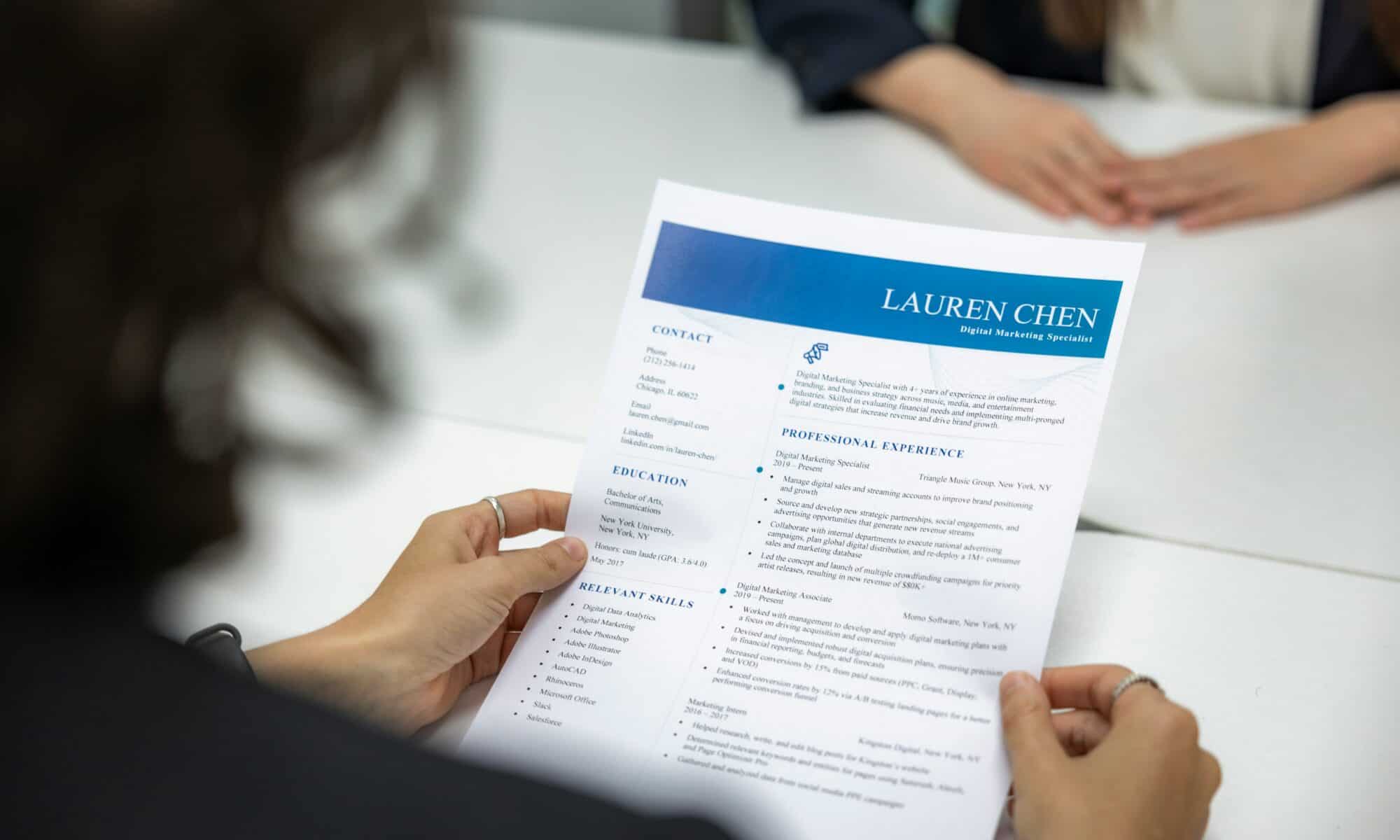
This should essentially be the same as your CV. We've another helpful article on just that, which you can access here.
The differences to be aware of:
Contact details - it's your choice over whether you include contact details on LinkedIn. As long as you regularly check your Inmail, then adding personal contact details to a public forum isn’t needed. However, if you are comfortable with people contacting you directly then you may get more traction by adding them. It ultimately depends on how you wish to be approached.
Qualifications – these should be listed under the 'Education' section. There will be an option under “schools” to find the relevant professional qualification.
Key skills check boxes – when filling out your experience in each of your roles you will be given the chance by LinkedIn to check a number of key skills boxes. Whilst this speeds up the process and makes sure you are hitting the “keyword quota”, it doesn’t tell your story well. By all means use this tool, but make sure to include details on your Responsibilities and Achievements for each role.
Recommendations – view these as publicly visible references. Two or three will give your profile added weight when people are reviewing it.
Conclusion
Be sure to give LinkedIn the time it deserves. Given its ability to help attract opportunities to you, it is as important (if not more) than the traditional CV. Do not be afraid to put the majority of your recent CV experience directly on to your LinkedIn profile.