SRM: The First Decade

celebrating 10 years of SRM

There is a particular kind of madness that grips people when they decide to leave perfectly good salaries behind and start something from scratch.

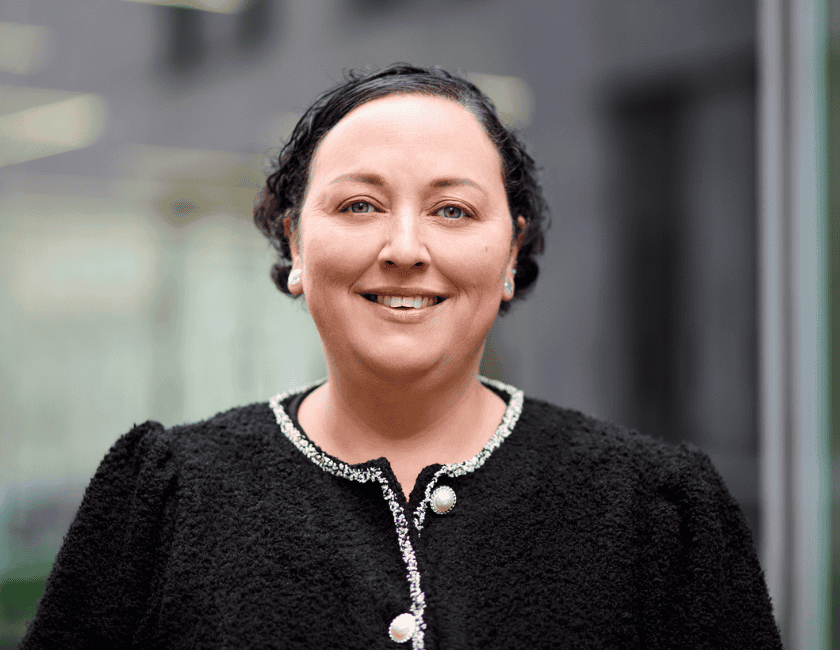
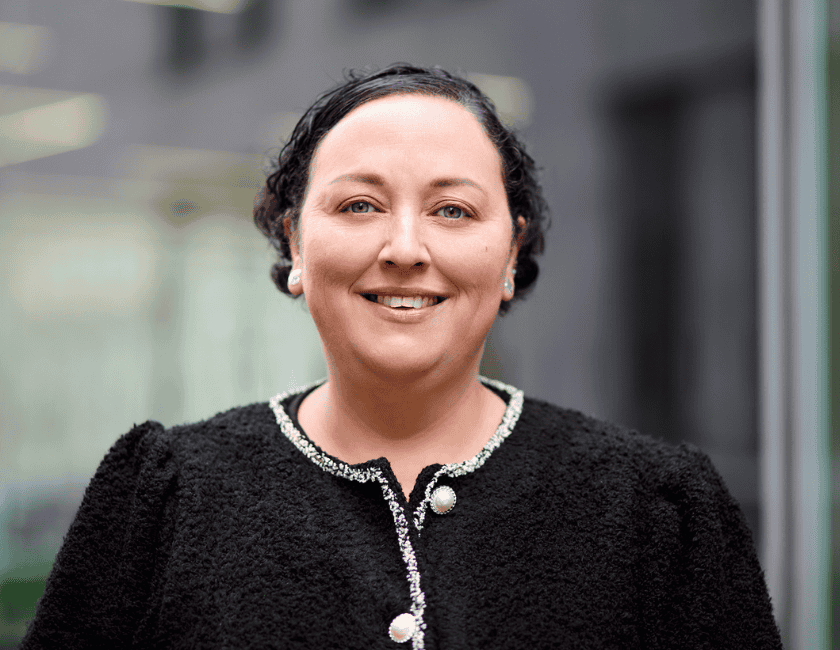
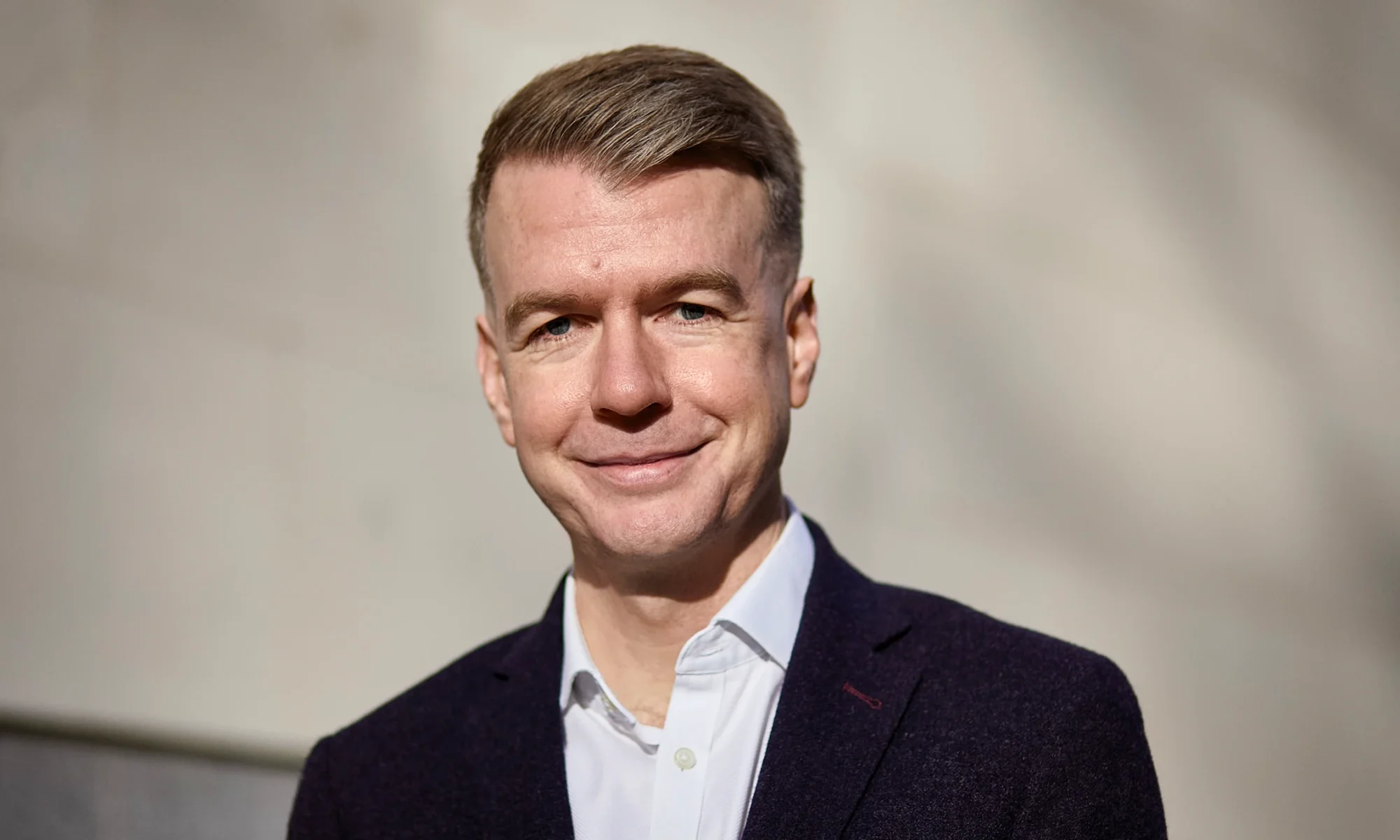
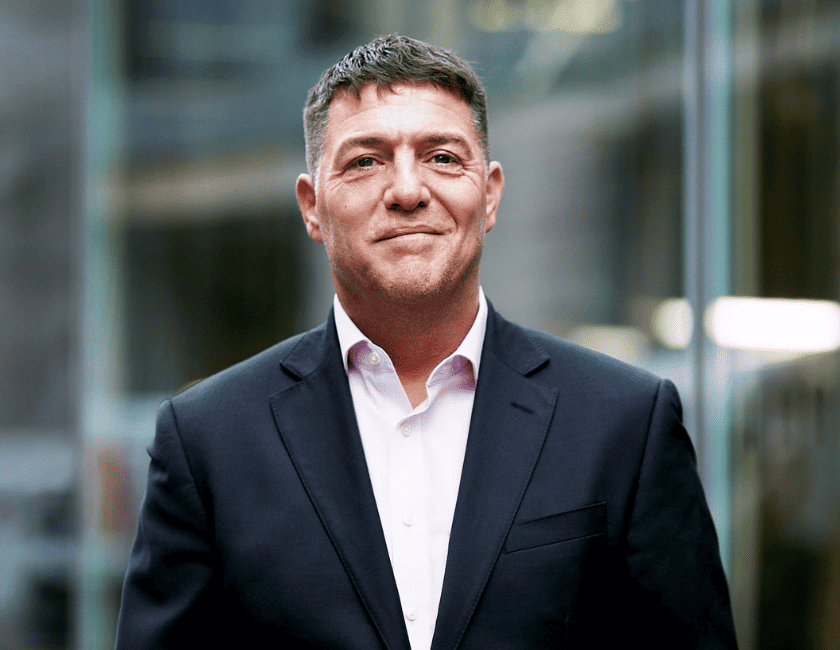
It might include a good helping of self-confidence, a light sprinkling of bravado, and a detailed business plan that doesn't survive initial contact with reality. In the case of Andrew Setchell, Stewart Robertson and Rory MacSween, who between them comprise the ‘S’, the ‘R’, and the ‘M’, of SRM - it also entailed the ability to respond rapidly to an unrelenting decade of events, and emerge smiling at the other end.

After 10 years in business, SRM Recruitment has grown from three men and an idea into one of London's most respected specialist recruitment consultancies - placing senior finance, tax, legal and M&A insurance professionals across the UK and internationally, with offices in London, Guildford and Welwyn Garden City, and a team of over 20 specialised professionals.

Easter 2015. Over the top.

The founding story began, as many good ones do, with a question that needed answering. Andrew Setchell had spent four years as an accountant at PWC before moving into recruitment in 1996, eventually running large teams at Michael Page and Robert Walters. By Easter 2015, he was considering the next decade, and wondering ‘why’? Why had the industry where he’d worked for twenty years traded genuine consultancy for the kind of relentless, funnel-driven, phone-bashing culture that made good recruiters miserable and clients feel like they were being processed rather than helped?

"I always wanted to do my own thing, but I'd never do it by myself," Andrew says. "I needed like-minded people." He found two.

Rory MacSween had come to recruitment via a rather more scenic route; the British Army, then Michael Page and Robert Walters, before carving out a niche in the then-nascent world of M&A insurance. Stewart Robertson, a Modern History graduate from Royal Holloway who had also come through the big corporate recruitment machine, had arrived at similar conclusions independently. "We were all having the same conversations," says Rory. "It felt very transactional, like you were turning a wheel. Hard to put your stamp on something."

What gave them the final push? A developing conviction that there was a ‘better way’ - borne of watching floors empty during the financial crisis, observing management endlessly meddling, and noticing the business become, as Andrew puts it, "all about volumes". "The big corporate firms believed the brand was bigger than the person," says Andrew. "But for a medium-sized player, it's far more relationship-driven.” The new way had to be different. More consulting, less funnel. More relationship, less brand.

They handed in their notices in March 2016, collected their bonuses, and launched SRM just as the country was about to vote on Brexit. "We thought: Conservative majority, remain wins, markets go boom, we catch the wave," recalls Stewart, with a rueful laugh. "Yeah."

The First Year: Hard Lessons and Good Hires

The early days had a certain chaotic energy. For a while Stewart worked from his back garden shed. Rory and Andrew sat at a shared WeWork at Fox Court, where the ping pong tables and complimentary evening beer represented either a wonderful startup ecosystem or a terrible productivity environment, depending on the time of day.

The business plan — built partly on the assumption that blue-chip client accounts would follow them from their previous employer — "was out the window within twelve months." More pressingly, litigation arrived in the form of legal letters from past employers, designed, as Andrew notes, "to take up oxygen." It worked, for a while, but was resolved. "It did take a toll," he says. "But it also tempered the risk. You learn a lot about people. And about each other.”

But the wins came. After ten or eleven months of grind, they had back-to-back strong months. The model was working. Rob McKay and Dave Kingston, two early hires who took a genuine leap of faith, are name-checked with real warmth; "they came when we were literally nothing, and remain central figures in the business today.”

The Decade in Brief: Brexit, Covid, and the M&A Freeze

SRM has been tested by just about everything the last decade could throw at it. Brexit, which was timed with spectacular bad luck to coincide with their launch, initially caused a sharp intake of breath before proving broadly manageable. Covid was different.

"Bar one client, all live mandates were cancelled or put on hold indefinitely," says Stewart. "Overnight." That single remaining client — who happened to complete an acquisition at the exact moment lockdown was announced and needed an entire finance function recruited — thankfully kept things ticking over. Then, almost as suddenly as it had stopped, the market came roaring back. 2021 and 2022 were "by far our most successful years." Brexit had thinned the pool of European talent, demand was surging, and SRM leaned hard into genuine consultancy; helping clients navigate everything from sponsorship licences to employment law.

Then came 2023. The M&A market, which had been running hot, cooled sharply as interest rates rose and deal flow dried up. "Summer 2023 was still pretty good," says Andrew. "Then the kids went back in September and it wasn't the same September as the year before."

They navigated it, as they have navigated everything, by staying lean, diversified — and doing what smaller, more agile ‘boutique’ firms can do better than large ones: pivot fast — "it's rare that every part of our business is pulling back at exactly the same time, and that is a strength not a weakness.”

What Makes SRM Different: ‘Relationship Led. Data Driven.’

Ask the founders what sets SRM apart and you get a consistent answer: they recruit experienced people, give them autonomy, and get out of the way. No KPIs. No call-rate targets. No boiler-room atmosphere. Flexible working was already the norm at SRM, before Covid ever arrived. "The least experienced person in our business has seven years of recruitment experience," says Andrew, "we gladly recruit people with grey hair. With no hair…" he adds with a knowing smile.

The approach — which they describe as closer to search than traditional contingent recruitment — is built on a simple observation: the best outcomes come from relationships, not volume. "You just need really good relationships to get the same return without the flannel," says Andrew. "The big firms didn't work that out because they thought the brand was bigger than the person."

The Next Ten Years

"Everything you hear is how quickly AI is going to change our world", says Stewart, sanguine but clear-eyed about the future. The consensus among the founders is that AI will help them work faster, but that the fundamental value of what they do — human judgment, market intelligence, discretion, the ability to sit over lunch and map out someone's career — is not something an algorithm can replicate. "I had lunch with a client last week," says Rory. "We drew up a list of businesses he was interested in. By 5pm I had him an interview at one of them. I can't envisage a world where AI does that. Human interaction can’t be overrated.”

Andrew has a bolder prediction: as AI takes over junior professional work and graduate hiring shrinks at the big firms, newly qualified accountants and lawyers will become rarer and therefore more valuable. "Supply goes down, price goes up.” As for what comes next for SRM itself: growth, yes. New sectors, possibly. Selling? "We've never seriously sat down and discussed it," says Andrew, adding, “we want to create a space for every employee to earn six figures.”

And the most important thing about the next decade? "If we have a business in ten years that still holds the values we set out with," says Rory, "I'd be incredibly proud of that.”
George Weston joins SRM’s Guildford Finance Recruitment team

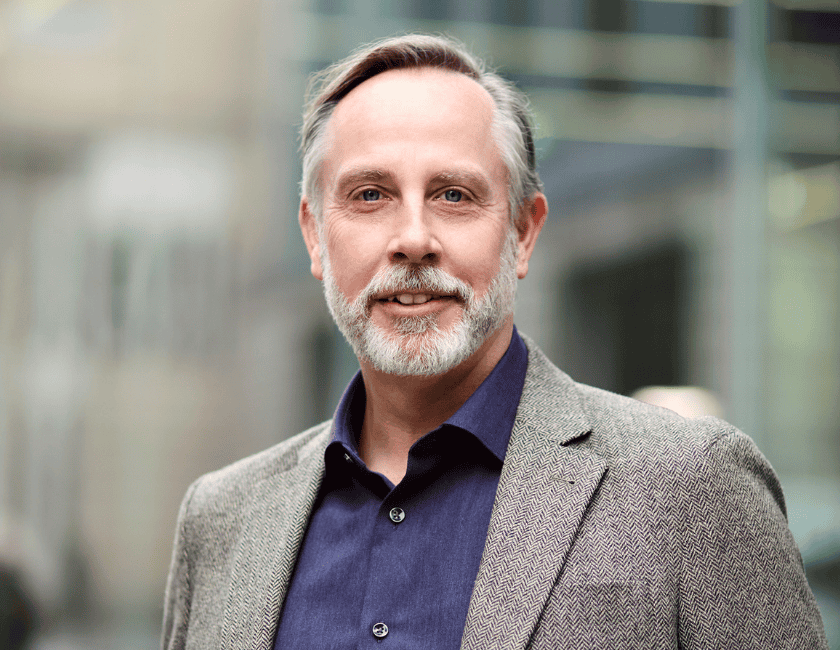
George Weston Business Director

We’re delighted to welcome George Weston as a Business Director to SRM Recruitment’s Guildford finance recruitment team. George tells us a bit about himself, the roles he’ll be working on, and why hiring managers and job seekers like working with him.

Tell us a bit about yourself?

I'm George Weston, a seasoned senior finance recruitment specialist based in Fareham with over 20 years in executive search, focusing on CFO, FD, and Senior Finance placements. Outside of work, I enjoy sailing, running and heading into the gym, alongside spending time in the kitchen. As my kids are older now, I hope to do a little more travelling with a long list of destinations to work through.

Tell us about your career to date?

I spent my earlier recruitment career in London, returning to the South Coast and then spending just over 20 years at CMA Financial Recruitment, rising to Associate Director where I led retained search for senior finance roles and drove business development across the Southern Home Counties. 

What prompted your move to SRM?

After two decades at CMA, I sought a fresh challenge to leverage my expertise in a dynamic, growing firm. SRM's Guildford office offered the perfect opportunity to expand my impact in a collaborative environment while aligning with my focus on regional finance talent.

What was it that appealed to you about working for SRM?

SRM's reputation for specialist recruitment, client-centric approach, and growth in the South East stood out. I was drawn to the supportive culture, emphasis on relationships, and the chance to contribute to a team that's scaling fast.

Tell us about your remit at SRM?

As Business Director in the Guildford office, my remit covers leading CFO/FD searches and Senior Finance appointments across the Southern Home Counties, client relationship management, market analysis, and business development via targeted outreach with both industry and the Advisory/PE community.

What do hiring managers and job seekers like about working with you?

Hiring managers value my market insight, discreet handling of sensitive searches, and ability to match candidates to business needs quickly.

Candidates appreciate my honest advice, negotiation support, and long-term career guidance that goes beyond placements.

What’s your top piece of advice for hiring managers right now?

Prioritise cultural fit alongside technical skills - top finance leaders thrive when aligned with company values. Act fast on retained partners like SRM to access passive talent in this competitive market.

What’s your top piece of advice for candidates right now?

Tailor your CV to showcase quantifiable impacts, like cost savings or growth delivered, and prepare examples of strategic influence. Network proactively on LinkedIn now to stand out before roles go live.

Get in touch

Need help to hire or find your next senior finance role? Contact George on georgeweston@srmrecruitment.com or call +44 7710 756098. You can also connect with George on LinkedIn here

Sam Morgan joins SRM’s Finance Recruitment team in Guildford

Sam Morgan Business Director

We’re delighted to welcome Sam Morgan to SRM Recruitment as a Business Director in our Guildford finance recruitment team. Sam tells us a bit about herself and what prompted her move to SRM. She also shares about the roles she’ll be working on, and her advice for hiring managers and job seekers in the current market.

Tell us a bit about yourself?

I started work in recruitment in 2001 purely by accident! I was registered with an agency who placed me in a role for a maternity cover and when that contract came to an end, we were discussing my options for what was next, when I was told to sell them the desk fan in the corner. The rest is history and I’ve been in recruitment more of my life than I haven’t!

Tell us about your career to date?

In 2001 I started my first recruitment role; it was high volume Business Support and Industrial and in one shift I had 30 temps working. I was even known to go and pick candidates up and drop them to work for a night shift, so I knew my client wouldn’t have anyone let them down. I answered the phone in the office one day and it was a rec-to-rec; I wasn’t even looking for a new role and suddenly I was in process to work for an international market leader. It was a great role where they offered continuous training and clear progression; I remember when I first started I was told I had “big shoes to fill” which felt like a challenge to me… as it turned out, those boots were too small for me. I stayed there for over 8 years and only left to go on maternity leave. I knew in my heart I wouldn’t be going back and instead used it as a perfect time to make a change.

Following my maternity leave, I went on to work for another well-known business for 4 years and then a smaller local agency for almost 11 years which I was made redundant from in early 2025. I took a break and started with SRM in November 2025 and its honestly the best decision I could’ve made.

What prompted your move to SRM?

Redundancy prompted my move to SRM, but I already knew Stewart (Robertson) and Andrew (Setchell); we reconnected after I knew I would be looking for a new role - a coffee and a ‘meet the team’ later, here I am!

What was it that appealed to you about working for SRM?

Expertise and client and candidate focus. It really stood out that everyone is a proven specialist in their market and they really go above and beyond for our clients and candidates. It’s not a ‘one size fits all’ approach and it’s not about hitting KPIs - it’s about delivering a consultative service and maintaining long-term relationships. I’ve worked in businesses whereby you can only work certain geographical locations so if a client moves out of your remit you have to pass them on. A relationship is with an individual not just company name; its built-on trust and delivering what you say you will. Working for a great brand it so important but clients don’t just engage with me because of the company I work for. I’m fortunate that some of the clients and candidates I work with today are people I have worked with since early on in my career.

Tell us about your remit at SRM?

I manage the temp and perm transactional and qualified Finance market in Surrey and Hampshire; I also look after Business Support. The geographical market I work in is the same as when I first started in 2001 - I have always operated in the same area, so I like to think I know it better than most recruiters.

What do hiring managers and job seekers like about working with you?

Hiring managers often comment on the fact that I get the team fit right - I know exactly the type of person that they are looking for. You can teach someone the skills to do a job, but you can’t teach them to fit in and their work ethic. I really get to know the candidates I’m working with - it’s not just a process of finding them a new role, it’s about knowing where they would fit in and their capabilities. I have candidates who work exclusively with me who have said they don’t need anyone else to represent them as I have always found them a role and have never let them down. Honesty is also key with hiring managers and job seekers; I always put myself in their shoes and treat them how I would want to be treated. I have recently placed roles with two clients who used to be my candidates.

What’s your top piece of advice for hiring managers right now?

My top piece of advice for hiring managers is to build a relationship with a recruiter who understands your team and the organisation. A CV doesn’t bring a candidate to life, but a good recruiter can - they can answer questions a CV doesn’t. Speed is also key, if you don’t keep a process moving, it will lose momentum and you risk losing candidates.

What’s your top piece of advice for candidates right now?

Triple check your CV! Ensure your CV is up-to-date, make sure it doesn’t contain any errors as attention to detail is key - there is no excuse for spelling mistakes or grammatical errors when you can use tools online to double check it. Your CV is your first impression on a recruiter and a client; they see that before they see you. It’s so important that your CV sells you initially as that will be what opens the door for you. Once a recruiter has made contact you can then work on your CV together before it goes to a client. You want to stand out from other candidates, so don’t blend in! My other piece of advice would be to contact me if we are not already connected - I am currently working on some great opportunities and it’s all about timing. I may not have a suitable role for you now but the market changes all the time.

Get in touch

Need help to hire or find your next finance role? Contact Sam on sammorgan@srmrecruitment.com or call +44 7983 277162. You can also connect with Sam on LinkedIn here

National Careers Week: inspiring and guiding the next generation

ncw tired
ncw tired

"That was a great day Dad, but I. AM. SHATTERED!"

These were the words of my son, George (13) after spending a full day in our offices at SRM Recruitment HQ in Farringdon for National Careers Week.

National Careers Week (NCW), held annually in the UK, is a dedicated event aimed at empowering young individuals with comprehensive career guidance and resources. In 2025, NCW took place from March 3rd to 8th, offering a plethora of events, workshops, and seminars designed to illuminate various career pathways and opportunities.

This year, my son George embraced the spirit of NCW by participating in a job-shadowing experience at my workplace. His school actively encouraged students to engage with their parents' professions, providing a first-hand glimpse into the working world.

A busy but valuable day

George's day commenced with shadowing me in the office, where he observed daily operations and team dynamics. He attended three client meetings, gaining insights into professional communication and problem-solving strategies. The team welcomed him warmly, and we all enjoyed a pizza lunch together, offering George an informal setting to interact and ask questions. After the final client meeting, we headed home, with George understandably exhausted but (hopefully) enriched by the day's experiences.

The benefits of job shadowing

Job shadowing offers invaluable benefits, especially for young students. It allows them to experience a "day in the life" of a professional, helping to clarify career interests and link classroom learning to real-world applications. Such experiences can significantly boost career confidence and motivation.

George's participation not only provided him with practical insights into the working world, but also sparked meaningful conversations about his future aspirations and the diverse career paths available to him. This hands-on approach to career education exemplifies the essence of National Careers Week, bridging the gap between academic learning and the professional world.

The importance of guiding the next generation

I encourage fellow professionals to involve their children in similar experiences, fostering early career exploration and informed decision-making. National Careers Week serves as a reminder of the collective role we play in guiding the next generation towards fulfilling and informed career choices.

As for George, he finished the day buzzing but looking forward to an early night (for once)! It remains to be seen if he’ll be following his Dad into the heady heights of Tax Recruitment, but regardless I know he found it an incredibly worthwhile experience. It's so important for our youngsters to get some exposure to the working world early on to help inspire them for their future!

You can find out more about National Careers Week here: nationalcareersweek.com

You might also find this article interesting: Five reasons why job shadowing helps benefit your future career: https://bnd.nd.gov/job-shadowing/

national careers week

Tom Harrington joins SRM’s Finance recruitment team in London

Tom Harrington Finance Recruiter

We’re delighted to welcome Tom Harrington to SRM Recruitment as a Principal Consultant in our London finance recruitment team. Tom tells us a bit about himself and what prompted his move to SRM. He'll also share about the roles he’ll be working on, and his advice for hiring managers and job seekers in the current market.

Tell us a bit about yourself? 

I am a father of two, a keen sports fanatic and someone with a keen interest in politics and economics. When my two boys aren’t keeping me occupied, I like to get out for a cycle or enjoy football with friends. One of the things I enjoy the most about recruitment is having your finger on the pulse of the economy and finding out about some amazing businesses in all sorts of industries.

Tell us about your career to date? 

I have been in the finance recruitment industry for 13 years, initially working part-qualified roles, interim contract positions.  For the past 7 or 8 years i've focused on qualified mid to senior finance positions. This has typically been in investor-backed, high-growth businesses, across a range of industries but with a bit of a focus within the B2B markets such as energy, construction, tech infrastructure and professional services. 

What prompted your move to SRM?

I wanted to join a specialist boutique agency, with a presence and ability at the senior end of the job market.

What was it that appealed to you about working for SRM? 

I was really impressed with the leadership team. They all have impressive careers to date, are market experts and operate with honesty and integrity. They have also built a business with a great culture where consultants are treated as individuals and allowed to thrive.

Tell us about your remit at SRM? 

My remit is qualified finance at the mid to senior level. This includes roles from the recently qualified Management/Financial Accountant to Finance Manager, Financial Controller up to Finance Director.

What do hiring managers and job seekers like about working with you? 

I like to really listen to people so that I can better understand their situation, their backgrounds, and their pain points. That way I can give them an individual tailored service. I always try to be upfront and consultative, so that we can work together to reach their goals.

What’s your top piece of advice for hiring managers right now? 

Retain an open mind on candidates. There is a perception at the moment that the balance of power now sits with the employer and that the market is flooded with candidates. While there is some truth in that, it is still challenging (as it always is) to recruit top talent. This can sometimes result in businesses missing out on some real superstar candidates. Despite them being highly motivated to join their team, they were overlooked simply because they haven’t for example worked in the same industry or they haven’t used a specific accounting system. 

What’s your top piece of advice for candidates right now? 

My advice for candidates is to take time to prepare a well thought out CV and don't over complicate it with alternative formats. When you have a certain amount of career experience, there is a danger you just add your current role in at the top of your CV and move everything else down the page. Without re-evaluating the existing content this often results in a very long CV. So, be sure to assess the whole document and be ruthless when deciding what will help you to achieve that next step in your career.

GET IN TOUCH

Need help to hire or find your next finance role? Contact Tom on tomharrington@srmrecruitment.com or call +44 7777 156692. You can also connect with Tom on LinkedIn here

Danny Savino joins SRM to focus on finance hires within the Northern Home Counties

We’re delighted to welcome Danny Savino to SRM Recruitment as a Regional Manager in our Finance recruitment division. Danny tells us about his career to date, what appealed to him about working for SRM, his remit in his new role and his advice for candidate and clients. 

Tell us about your career to date? 

In 1996I embarked on an exciting path in the recruitment industry. Since thenI’ve been at the forefront, steering successful and dynamic recruitment teams across various domains. My leadership has spanned diverse areas, including sales & marketing, technology and business support. In the last 10 years, I’ve delved into the intricate world of accountancy & finance recruitment. 

What prompted your move to SRM?

The reason I joined SRM Recruitment is because I’ve been familiar with them for some time, and I appreciate their client-centric approach. They’ve cultivated an environment where individuals can truly become the best version of themselves.

What was it that appealed to you about working for SRM? 

Joining SRM was an easy decision for me. Right from the founders to the entire team, I felt an immediate sense of trust and alignment. Professionally, the chance to help enhance the service offered already to our clients in the home counties is a great opportunity.

Tell us about yourself? 

You’ll often find me at the gym, dedicated to my fitness routine. I’m committed to staying active, pushing my limits, and maintaining a healthy lifestyle. Whether it’s lifting weights, hitting the treadmill, or a few press ups, I thrive on the endorphin rush that exercise brings. As an avid Newcastle United fan, my weekends revolve around the beautiful game and on occasions attending St James Park or seeing them on their travels down south. 

What led you to specialise in finance roles? 

My journey into finance recruitment took an unexpected turn. Having worked across various sectors, a technology client of mine needed help rebuilding their finance team. This really sparked my interest and excitement in recruiting in this sector. From that moment, the rest became history, and I’ve been passionate about it ever since.

Tell us about your remit in your new role?

As a recruiter specialising in part-qualified (PQ) accountants, I’ve had the privilege of connecting talented individuals with exciting opportunities across various sectors. From financial accounting to management accounting, I’ve navigated the vibrant landscape of commerce and industry within the home counties. Whether it’s helping candidates take their next career step or assisting companies in finding the right fit, my passion lies in creating successful matches. 

What do hiring managers and job seekers like about working with you? 

Both my clients and job seekers appreciate working with me for several reasons. For clients, I provide tailored recruitment solutions, efficiently source top talent, maintain effective communication, and build long-term partnerships. Job seekers benefit from my guidance, advocacy, transparency, and focus on their career growth. 

What’s your top piece of advice for hiring managers right now? 

Clear and timely communication with candidates. Regular updates and feedback create a positive experience, even if it’s a rejection.

What’s your top piece of advice for candidates right now? 

Stay adaptable: the industry is evolving, so be open to learning new tools and technologies.

Get in touch:

Need help to hire or finding your next finance role in the home counties? Contact Danny on dannysavino@srmrecruitment.com or call +44 7375 409089. You can also connect with him on LinkedIn here

Building your CV: How to stand-out in the competitive UK job market

Building your CV: How to stand-out in the competitive UK job market
When thinking about starting your search for a new job, the first thing you should do is take a look at your CV. The UK has a highly competitive job market, and many hiring/recruitment managers will be inundated with CVs. In order to give yourself the best possible chance of standing out, securing interviews, and ultimately your ideal role, it’s important to make sure your CV is up to scratch and shows all the necessary information.

Here are our top tips to make sure your CV stands out:


  • It is important that your CV is formatted in a clear, concise and chronological format using bullet points, with your most recent role listed first. Ensure job titles are clear and the font is consistent and easy to read.

  • Ensure your contact information is up-to-date and listed at the top of your CV along with a link to your LinkedIn profile.

  • Try to avoid listing too many soft skills. You can achieve this by adding a ‘Responsibilities and Achievements’ section underneath each role on your CV and, where possible, adding tangible/measurable achievements.

  • Your CV does not need to be crammed onto one or two pages, although keeping it reasonably concise is important. Interviews are where you will be given the opportunity to talk about your experience in more depth.

  • Only list work history that is relevant to your current job search. Your most recent role is going to be the most important and relevant part of your CV and all prior experience will provide more context to employers.

  • When outlining previous work history, it is beneficial to add a small description on previous companies as they may not be widely recognised within the UK.

  • When listing your education history; your high school, university and post-university qualifications are relevant, however, transcripts, grades and primary school education is not relevant, so leave those off.

  • Spelling and grammar: a well-presented and thoroughly proofread CV reflects professionalism and attention to detail. Why not ask a friend to proofread your CV before sending it off? Don’t fall at the first hurdle because of avoidable typos or poor grammar.


At SRM Recruitment, we’re here to support you and your career aspirations. If you’d like further advice or have any questions on the job market in the UK, please contact a member of the team.

Richard Boyd joins the SRM finance team

Richard Boyd

This week we’re delighted to welcome Richard Boyd to the SRM finance team. We talk to Richard about getting back to real recruitment, the roles he can help you with and his top piece of advice for hiring managers.

Richard Boyd

Tell us about your career and what prompted your move

“I worked at two of the world’s largest recruitment consultancies for 16 years, progressing to a Director-level role. Just before joining SRM, I led a team of fifteen focused on qualified finance recruitment. My remit grew to include executive search and specialist finance roles such as tax and treasury. 

Getting back to real recruitment

Whilst I loved the role and had a great team, inevitably, mentoring and leading others became my focus. Over time I missed actual recruitment and spending time with clients! I like being out there with both clients and candidates and didn’t want to be as internally focused anymore. 

I genuinely believe there is massive scope here at SRM to grow the size of our team and our footprint on the London finance market, so the scale of the opportunity and growth potential was key to the move. 

An experienced team of recruiters

Joining an experienced team at SRM was key, especially working with a close-knit group of people who I knew viewed recruitment similarly to me – from a values, respect and way of working point of view. 

I knew Stewart Robertson from school and he actually introduced me to my first role in recruitment. I worked for Andrew Setchell in Southampton and then London and  worked with Rory MacSween during my time in tax recruitment – during some pretty tough times after the financial crisis! 

The benefits of a boutique recruitment firm

Working with a trusted advisor is even more important right now. What I’m seeing in the market is that people want to make a real connection and build a lasting, personal relationship. That’s something that a boutique firm excels at. I’m excited to be at SRM where we’re really focused on delivering a bespoke service based on your needs.

Tell us about the roles you’ll be working on

I’m primarily focused on permanent qualified finance roles in London and growing this business to better support our clients. I’ll also be focused on helping our clients with FD, CFO and Search level positions.

What do hiring managers and job seekers like about working with you?

I’d like to think I’m pretty straightforward. I’m definitely candid and my network appreciates that. I work hard for my clients and candidates and am passionate about finding people the right role.

Tell us about yourself?

I’m married and have a lovely five-year-old daughter so that keeps me pretty busy. Sporting wise; my main passion is road cycling, both watching and doing. I’m also a rugby and football fan. Hailing from the Westcountry I’m a big Plymouth Argyle fan (for my sins)! I’ve always had a really keen interest in American politics too. 

What’s your top piece of advice for hiring managers right now? 

Essentially: 1. be realistic 2. have a plan and 3. take advice

1. Focus on the key skills that will have the biggest impact on business objectives and you’ll find the right person more quickly. In a client-led market, we often think we’ll find the perfect person who can do everything perfectly but knowing exactly what you need and identifying core skills is a much more effective hiring strategy.

2. Have a clear plan for remote interviews and onboarding, work out your process and what you’re comfortable with. An efficient process is still really important to hire the best people.

3. Talk to your network or a trusted recruitment partner if you’re not sure whether your requirements are realistic or what sort of person will achieve the business transformation you’re looking for.”

Get in touch if you’re looking to hire finance roles or for help with your next career move

If you need help to source your next tax leader or want an honest conversation about your career, get in touch with Richard Boyd today on + 44 7376 497285 or connect with him on Linkedin. 

Articles you may like:


How to succeed at digital interviews and get the job you want
Moving from a large recruiter to a boutique firm
How to avoid surprise resignations

Moving from a large recruiter to a boutique firm

Luke Higgs large recruiter to boutique firm

Luke Higgs joined SRM Recruitment in the summer of 2019 to establish and grow our Northern Home Counties office. Before coming to SRM, Luke worked at some of the world’s largest recruitment consultancies. We want to know, what are the benefits of moving from a large recruiter to a boutique firm?

Luke Higgs large recruiter to boutique firm
Luke Higgs is Business Director of our Welwyn Garden City office

Can you tell us a little about your career path up to this point?
I went straight into a career in sales – my first job after university was at HSBC, selling mortgages, loans, etc, both in a call centre and online, which in 2005 was quite a new area. Around that time, I spoke to some friends who worked in recruitment and it seemed to me that with the commercial acumen I’d gained I might do quite well in the industry. I joined Martin Ward Anderson, which is part of Randstad, a huge global organisation, and built up my professional knowledge there.

When I met my wife, who is from Welwyn Garden City, I decided to move there, and transferred with Martin Ward Anderson. Then, Robert Walters, another leading global recruitment firm, called me to ask if I would come and work for them to set up their St Albans office. It was an incredible experience – I helped grow the team to 12 people, and in year one we made more revenue than any of their other start-up offices.

With a young family, I knew I wanted to work for a company where there would be more flexibility. I considered starting up my own consultancy. Then about a year ago, I met with Andrew Setchell, the founder of SRM Recruitment, who I knew from my early days at Robert Walters. Andrew is someone I trust and respect, and it seemed like the perfect balance – to have the freedom to grow a business but with the support of an experienced team.

What appealed to you about SRM?
When I first considered joining, the main appeal was the opportunity to work with Andrew again. He’s a very talented recruiter, and the network, processes and support he offered at SRM were a combination for success. As an experienced recruiter myself, I was drawn to the culture at SRM, where I would be given the tools I needed, but then would be trusted to do the job. Andrew trusts and values everyone who works for him, from director to consultant level. Sometimes you find that at a senior level in larger firms, but it’s rare for consultants to be given that freedom to manage yourself.

The other big draw was the commission scheme, which is market-leading in terms of what they offer financially. It’s also the work-life balance, which with a young family is really important to me.

How have your first few months been?
It’s been great, though quite an adjustment! I went from an office in St Albans managing twelve people and turning over a million pounds a year, to working on my own. It can be a bit lonely, but you get into your stride, and I recently recruited Liz Hawkins as a Principal, so there are two of us now! It’s a completely different way of working here. Robert Walters was such a big firm, you wanted to register at least five candidates a week, to ‘stock your shelves’. Here, we are much more targeted in our approach and we headhunt for each role. It’s a different pace – you’re doing less but of a higher quality. It took me until Christmas to adapt, but it’s a much better way to go about your business.

I now spend far less time on KPIs and managing other people, and I can invest that time in building relationships with my candidates and clients. It also means I have a lot more flexibility in my working day because I’m so much more productive. I used to work from 7.30am – 6.30pm at the earliest, whereas now it’s more like 8.30am – 5.30pm. That work-life balance is much appreciated as it means I can spend more time with my family.

What sort of people do well here?
This isn’t a classroom environment – we’re all experienced recruiters, so it’s not a training school. People who are motivated and proactive will do well. You’ll be given tools and support, but you’ll have mentors, rather than trainers.

With the maturity in our approach, I think there’s a lot less ego and arrogance you see in some bigger firms. Everyone here is good at their job and there are some great opportunities for all of us as SRM grows.

One of the big opportunities is for people here to really do recruitment. So often, in larger firms, the more experienced recruiters and top billers get promoted to management roles that they may not enjoy, and that takes them away from the actual business of recruitment. Here, regardless of your level, you’re going to be on the front line, recruiting, for most your day.

What advice would you give to someone looking to further their recruitment career?
Try to decide what it is that you really enjoy doing. In a larger firm, you’re likely going to need to choose whether to focus on recruiting and be comfortable staying at a Principal level. Alternatively, if you want to go into management, you’ll spend less time recruiting, but instead you’ll be passing on the knowledge you’ve gained and you’ll further your career through others.

That’s the main difference when choosing between a large recruiter or a boutique firm – at a small firm like SRM, you don’t need to sacrifice one or the other because by necessity you’ll be doing some of both.

Can you sum up how SRM is different?
SRM really headhunt for every role. A big thing for us is meeting candidates even if we’re not going to place them straight away. A lot of those people get jobs and use us to fill their teams. There’s a real emphasis on building relationships.

The culture is so unique, and it’s a great environment to work in. I’m earning money and I’m happy at work – there isn’t a compromise.

You can have a work-life balance here. You don’t have to choose between growing your career and building your family.

If you’d like to know more about working at SRM Recruitment, visit our work for us page and discover what makes us different. If you’d like to have a chat about the opportunities we can offer you, we’d love for you to get in touch.

From The Forces To Finance

forces to finance

When Alastair Horrocks left the British Army in 2009, he knew it would be a challenging transition. Learn how he went on to forge a successful career in finance, discover which transferable skills he brings to his role and the advice he has for anyone seeking to follow in his footsteps.

Tell us about your current role
I’m a Director in the Mergers & Acquisitions team at a Big Four firm, advising shareholders on selling their business. My job is to maximise the value they receive for their business when it is sold. Less frequently I also work on the buyer side, advising clients on how best to buy a company and supporting them through that complex process.

What attracted you to corporate finance?
I think it’s because to sell something you need to understand it, and I have a strong understanding of the sector I specialise in. Industry knowledge allows you to offer real insights – you understand how best to position it. You need to get to know the business, be able to forecast, be critical of the business and its strategy and help your client get the business ready for sale so that it attracts the right buyer pool. There’s some science behind it, but what I enjoy most is working with the client and making sure the message they send to buyers strikes the right chord.

What would you say is the most rewarding part of your job?
The most rewarding part is when you get a good result for an entrepreneur or private shareholder who has invested a large part of their professional career, and probably quite a lot of their personal life and savings, in a business and then you see them rewarded for that effort. The other is building relationships with clients over a period of time so that you become a trusted advisor. I enjoy it when clients turn to me on an informal basis to get my advice on aspects of their business – it’s all part of the relationship I’m building with them.

How did you come to work where you are now? Tell us a little about the path that brought you here.
I joined the Army after university in the Green Jackets regiment. My last role was with the infantry, doing a staff job in HQ, focused on intelligence. When I left the Army I wasn’t sure what to do, and decided to do an MBA at INSEAD to better understand which area of business interested me, and what I was good at. I enjoyed the corporate finance modules, but it was 2009 and the financial markets were not the best place to find a job. Instead, I went into a well-known global corporation in their business development team. There, I made sure I became involved in M&A work so I could gain some experience, which I then decided I wanted to do in an advisory firm.

What skills and knowledge are you still using from your military experience?
Having transitioned from the forces to finance I can see that in both it fundamentally comes down to relationships and communication. In the Army you are taught to address issues head on, and you spend a lot of time in your formative years about how to communicate those issues properly. The experience served me well in M&A, where I have to give powerful messages, and the way I deliver them is important. I also find that in my current role I’m dealing with a constant input of new information which I must use to make decisions. It was a similar situation in my military role, and you have to accept the decision you make might not be perfect, but you have to think of the best outcome based on the information you have. It’s really all about communication, agility and being able to step back from problems and frame them in context.

How was the transition from army to civilian life for you?
Coming out of the Army is tricky. I think I mitigated some of the challenges by doing structured learning – I had a goal to aim for, which was really helpful, but it was still hard going. After eight years with the Army I had friends and colleagues I’d grown close to and the sense of what I was doing there was very clear.

The downside of having spent all that time after university in the Army is that I wasn’t forging the long-term career path that I wanted to pursue, I wasn’t taking a professional qualification. That meant when I came out, and I wanted to work in a company where a certain level of education and experience was needed, I had to work hard. The Army stands you in very good stead, but you still need to learn the new business or sector you’re in. It’s unnerving in three ways:

  1. You’re not quite sure what you want to do, or if you do, you’re not sure how to get there
  2. You have to learn very quickly. You’re being thrust into an environment where your colleagues may be much younger than you but they have more experience, and you have to show what you can offer.
  3. You miss the structure and support that the Army can offer

What additional training have you pursued to help you with that move?
I did the MBA through INSEAD, and I also did the first two parts of the CIMA qualification to get up to speed with a basic level of understanding of accountancy. Once in work, I’ve taken on whatever training courses the firm had to offer that I thought I could benefit from, such as modelling and evaluations. I’ve also done some training in business development. I think BD probably comes very naturally to many people moving from the forces to finance, because they’re used to engaging with people they don’t know, but there’s a knack to selling in a non obtrusive, non aggressive way that has to be learned.

How does working for a Big 4 company compare to working for the British Army?
In many respects they’re more similar than you’d think, because they are fundamentally people businesses – the key assets in both are people. This is in stark contrast to the engineering company where I worked before, where the focus was much more on the products and the IP in them.

They are also similar in that they are very large organisations, but within each there are smaller teams. My immediate team in M&A has ten of us, then there are 60 more across the wider business. In that respect, I can relate to the platoon and company structure in the Army – it’s just lots of small teams working within one bigger one.

One of the key differences you see when moving from the forces to finance, or likely most civilian organisations, is the management culture. The military is a lot more hierarchical than my company, which is a partnership and has a lot flatter structure. Decision making is very different too – you get a lot more communal input here, which has obvious upsides and downsides.

What advice would you give to someone considering a move from the forces to finance?
The key thing is to work out what technical qualification is going to get you through the door and enhance your capability as well as your credibility. The military serves you well and the things you learn will be useful, but you need to demonstrate your technical understanding of the sector to make yourself credible to the company hiring you.

You also need to understand what part of finance you want to go into and how you can best serve that area. It’s a broad church, and some sectors will be more challenging than others to transition from the forces to finance. M&A is actually probably not a very sensible choice for someone a little older with family commitments, because your peers will be 23 year old qualified accountants who can work 15 hour days!

Other areas of finance have a better work life balance and might not require you to have such a deep technical knowledge in the early years. Be realistic about what you want and what the employer wants from you, and frame that in the context of you, your age and situation, your experience and your background.

If you are considering a career transition such as a move from the forces to finance, please do get in touch to have a chat about your options.